


More Than Tax Status: The Nonprofit Difference in Senior Living
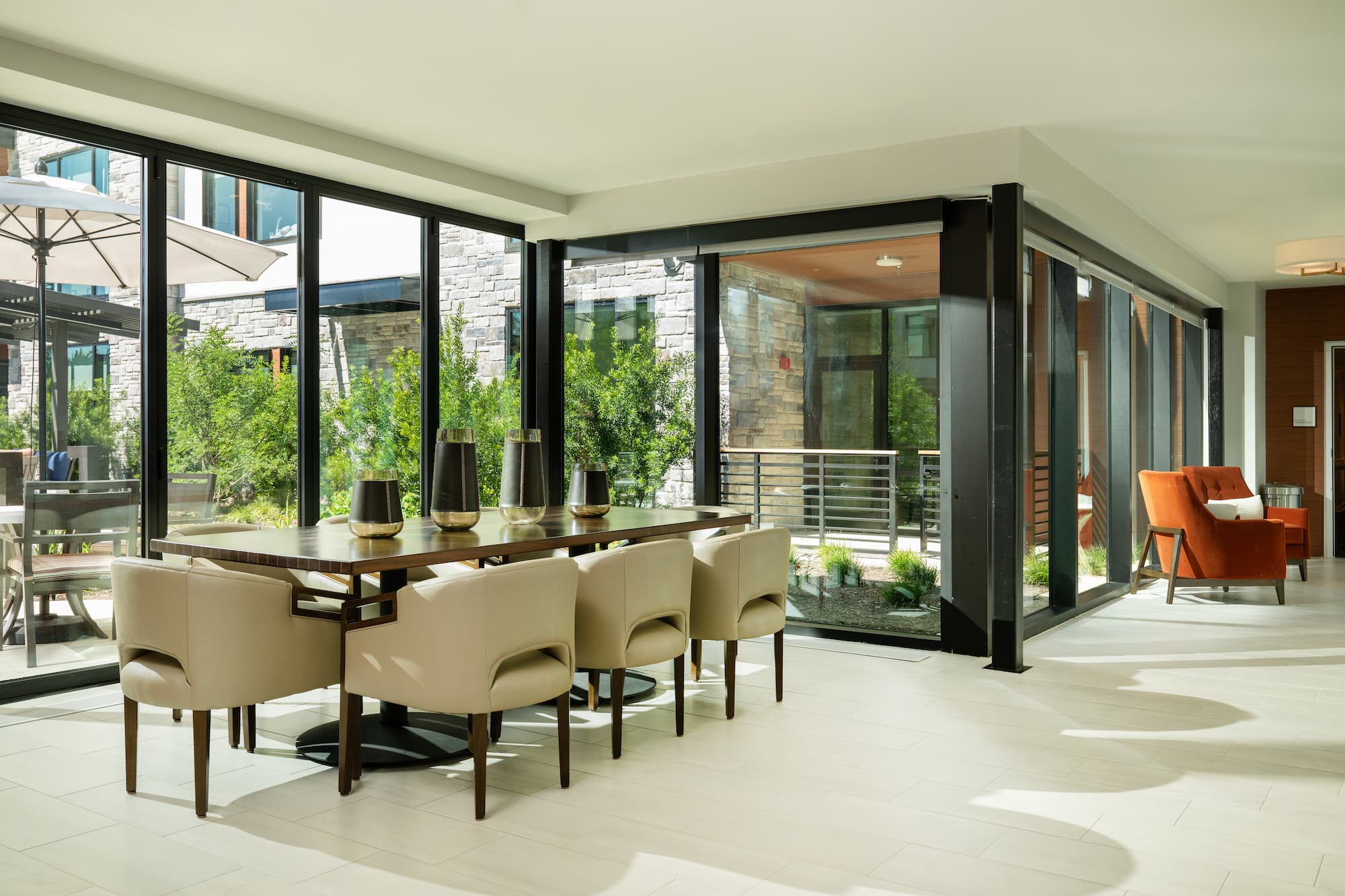
Will it feel like home? Will I feel secure not just now, but years from now? Will this community still fit me as my life changes? These are the questions people ask when exploring senior living, and they should be. The day-to-day lifestyle matters, but so does what holds the community up behind the scenes. One important factor is something many older adults don’t think about at first that can shape your retirement long term: Is it a nonprofit senior living community or for-profit?
Understanding profit vs nonprofit helps you see how a community is built to support residents over time. It can influence the choices a community makes, how it plans for the future and where resources are invested. Being nonprofit is about more than tax status. It also guides priorities, long-term planning and how revenue is used to enhance residents’ lives and strengthen the community.
Nonprofit vs. For-Profit Senior Living: What It Means for You
When you start exploring senior living, it usually comes down to your expectations and imagination for the type of lifestyle you envision for yourself in the future, such as:
- A home with a floor plan that fits your furniture and lifestyle.
- Dining that’s creative, fresh and flavorful, not just convenient.
- Wellness options you’d actually use.
- Exceptional on-campus care.
- Diverse ifelong learning opportunities opportunities.
As a not-for-profit senior living community, Longhorn Village is mission-driven with deep roots and a long view. In 2018, we affiliated with Brazos Presbyterian Homes, Inc., a Houston-based organization that has provided stability and reinvestment in its senior living services for over half a century.
How Business Structure Shapes the Resident Experience
So, what is a for-profit business? In simple terms, it’s an organization designed to generate profit for owners or shareholders. There’s nothing automatically “bad” about that structure. Plenty of for-profit companies deliver great products and services.
But when you compare for profit vs nonprofit in senior living, the differences can feel more personal. A for-profit organization has to balance resident needs with financial expectations. That can influence staffing decisions, the pace of updates and how quickly resources are reinvested.
If you’ve ever searched corporation pros and cons or corporation advantages and disadvantages, you’ve likely seen a familiar pattern. Corporations can scale quickly and raise capital. At the same time, the cons often include pressure to protect margins and deliver returns.
In senior living, those disadvantages may show up as fewer resources available for campus enhancements or less flexibility to invest in the resident experience the way a community wants to. That’s where the advantages of nonprofit organizations come into play.
The Nonprofit Difference in Senior Living
At nonprofit senior living communities such as Longhorn Village, we don’t exist to distribute profits to shareholders. Instead, we reinvest revenue into our campus and people. Our purpose is straightforward: support older adults, strengthen the team members who serve them and sustain a campus that remains strong for decades.
When you look at the advantages of a nonprofit, three crucial factors stand out:
- Stability with a long horizon. Nonprofits are built for the long term. Decisions tend to be guided by stewardship and sustainability rather than short-term performance.
- Mission-centered choices. Programs, services and improvements are evaluated through the lens of resident well-being.
- Reinvestment. Resources can go back into the campus, the team and the everyday experience residents count on.
Growth With Purpose, Not Pressure
Longhorn Village’s nonprofit foundation is strengthened by Brazos Presbyterian Homes, an organization with decades of experience serving older adults. That matters because it signals resilience, consistency and a commitment that doesn’t change with market trends.
“We have a rich history of meeting the needs of older adults dating back to the 1960s. We’re able to successfully meet today’s demand for senior living while also planning for what people will need and want in the years ahead,” said Deidre Kinsey, president and CEO of Brazos Presbyterian Homes. “Our legacy gives us a strong foundation to build on as we connect where we’ve been with where we’re going.”
That’s the nonprofit mindset, and it’s why Longhorn Village is built for long-term stability. In a nonprofit, growth isn’t about expanding just to expand. It’s about strengthening how we serve, investing in our team and keeping the community a place to live with a flourishing daily life filled with purpose and new possibilities.
“We’ve been here a long time, and we want to build on that. It’s at the heart of our brand,” Kinsey said. “We’re taking what we’ve done well and carrying it forward for future older adults, continuing to adapt and also to grow, so we create an environment where people choose us.”
What Reinvestment Looks Like Here
“Reinvestment” can sound like a business term until you connect it to daily life. At Longhorn Village, reinvestment supports what residents care about most, including:
- Strong team and steadier experience. Exceptional senior living depends on the people who show up every day. When an organization invests in team members, residents feel it through continuity, responsiveness and relationships that deepen over time.
- A campus that keeps improving. Needs change. Expectations evolve. A nonprofit structure supports thoughtful updates that keep the community comfortable, current and welcoming.
- Programs that add meaning and connection. The best communities create opportunities to engage, grow and enjoy life. When mission comes first, there’s more room for what makes life richer.
- Decisions guided by resident well-being. When success is measured by how well residents are served, choices tend to be more consistent and more resident-centered.
At the end of the day, nonprofit senior living at Longhorn Village means we’re in it for the long haul. Instead of focusing on maximizing profits, we focus on doing what’s best for residents, from exceptional care to smart planning that supports long-term stability.
If you’d like to learn more about life at Longhorn Village, we’d love to talk. Call us at 512.503.8288.